The key distinction is who handles the labor. With a typical container move, the company transports the container while you pack, load, and unload the contents or hire separate labor. With full-service residential moving, the moving crew may handle loading and unloading as part of its contract. Compare the total work and costs, not just the transportation quote.
How Does a Portable Moving Container Work?
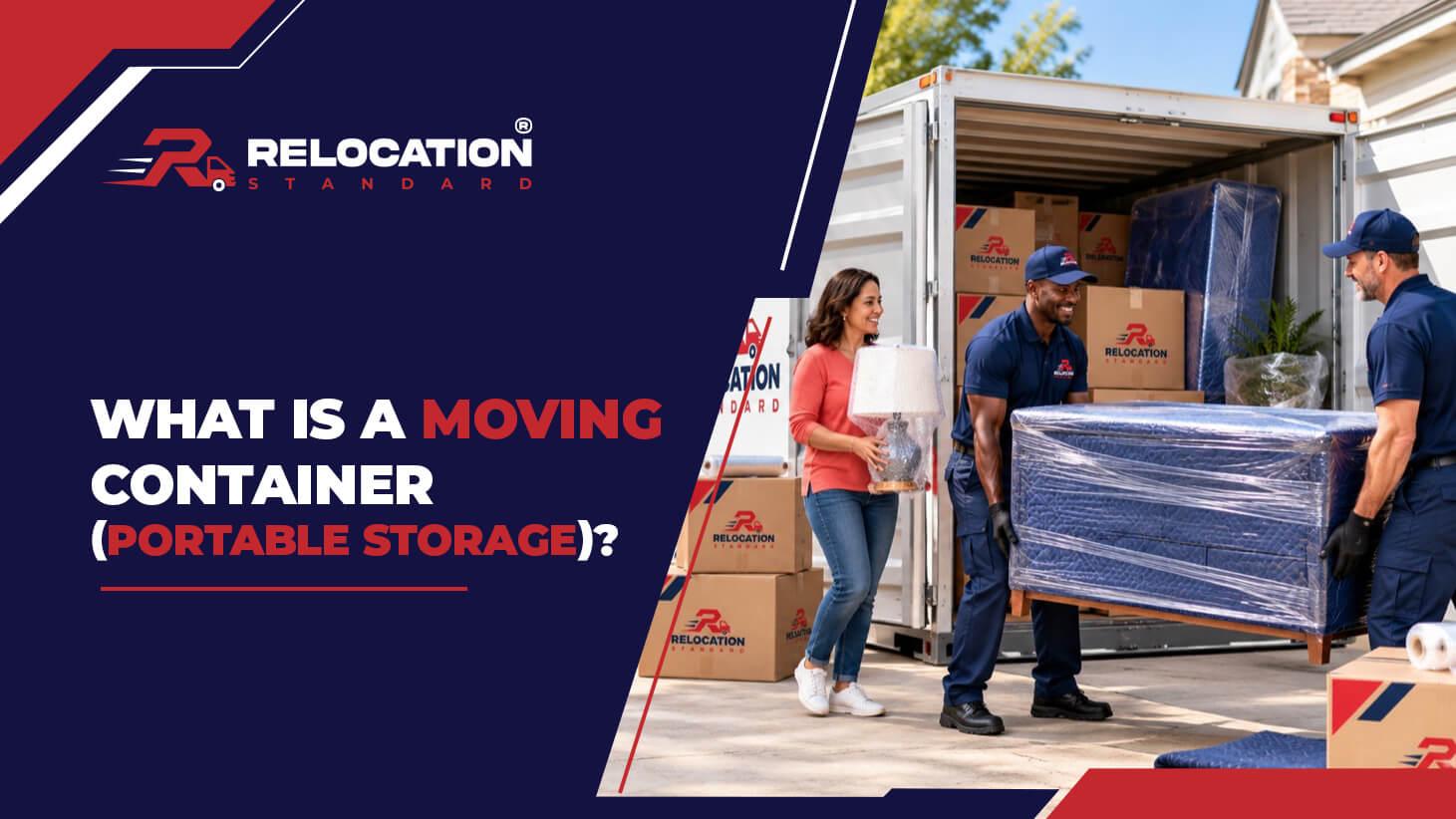
The process usually begins with a quote for a particular container size, origin, destination, dates, and optional storage period. The provider delivers an empty unit to your driveway, approved parking area, or service center. You load furniture and boxes, secure the contents, and close the container according to the company's instructions.
After loading, the company picks up the unit and either moves it toward the destination or stores it until delivery is scheduled. At the new address, you unload within the agreed period, and the provider retrieves the empty container. Some companies allow the container to remain at a residence for an extended period; others require faster loading and unloading or offer facility-only storage.
The U-Pack portable storage overview illustrates a drop-off, customer loading, storage, and redelivery model. Other providers use different container sizes, loading periods, and payment structures. Always verify the actual quote and contract for your locations.
Moving Container vs. Full-Service Moving Company
A container is attractive when you want to pack gradually, need temporary storage, or prefer not to drive a rental truck. You can choose how to organize your belongings and may avoid coordinating a full moving crew on a single day. The trade-off is physical labor and responsibility for securing the load.
A full-service mover may be better for a large home, heavy furniture, limited mobility, tight scheduling, or a building that restricts container placement. A traditional carrier can also provide specialized packing and unpacking. If you need both storage and labor, ask for a complete price including labor-only movers, materials, storage, transport, and final pickup before deciding.
For a cross-state move, review the difference between a moving company and a broker. The FMCSA mover-versus-broker guidance explains the distinction for regulated interstate household goods services. The precise federal rules applying to a particular container arrangement depend on the provider's role and transportation service; do not assume every rental has the same contract or liability protections.
What Sizes Are Moving Containers?
Portable containers come in different lengths, heights, and capacities. A compact unit may suit a studio or partial shipment, while a larger container may hold several rooms of furniture. Some companies offer only one size and let customers reserve multiple units. Others provide several sizes for local moves but fewer options for long-distance transportation.
Do not estimate capacity by bedroom count alone. A heavily furnished two-bedroom home may need more space than a sparsely furnished three-bedroom home. Measure sofas, beds, appliances, and large items, and ask for the interior dimensions and weight limit. Your pre-move survey can help identify the actual shipment volume even when you are not hiring a full-service crew.
A useful planning method is to list bulky items first, estimate the cartons that will fit around them, and allow space for safe loading. Avoid filling a container to the door if the provider requires a clear closing area. Overloading or poor weight distribution can create damage and safety risks.
Can You Store a Moving Container at Home?
Sometimes. A container may remain on private property during packing, remodeling, or the period between homes. The provider still needs a stable, accessible placement area. A driveway may require adequate length, width, overhead clearance, and a suitable surface for delivery equipment. If the unit must sit on a public street, the city may require a permit or prohibit it altogether.
Condominiums, apartment buildings, and homeowner associations can have their own restrictions. Check whether a loading dock, elevator reservation, or moving certificate of insurance is required. A building may allow a moving truck for several hours but refuse a container parked for days. Confirm both the origin and destination rules before booking.
If you cannot place a container at the home, ask about loading at a company facility or an alternative delivery service. The cost and convenience may change substantially when you must drive your belongings to a storage center.
How Much Does a Portable Moving Container Cost?
Pricing depends on the number and size of containers, route, travel distance, storage time, pickup and redelivery charges, season, and local availability. Some providers quote transportation and monthly rental separately. Others bundle a fixed initial storage period. A quote may exclude labor, packing supplies, coverage, taxes, permits, or charges for extra delivery attempts.
Hypothetical comparison: a container service quotes $2,300 for transportation and an initial rental period. The customer then spends $600 on loading and unloading help, $150 on supplies, and $250 for extra storage. The practical total is $3,300 before any other fees. These numbers are illustrative, not market averages or live vendor prices. They show why a headline container price cannot be compared directly with an all-inclusive mover estimate.
Request a written breakdown and ask how billing changes if your dates move. Some providers charge by monthly rental cycle even if you need only a few additional days. Others have specific loading windows or redelivery fees. Compare the total with long-distance moving services and a rental truck before choosing.
How to Pack and Load a Moving Container Safely
Use sturdy cartons, protect furniture, and keep heavy items low. Distribute weight evenly across the floor and secure items with approved tie-downs where available. Fill gaps with appropriate cushioning so furniture does not shift during transit. Do not exceed the posted weight limit or stack fragile boxes beneath heavy objects.
Keep passports, medications, important papers, cash, and irreplaceable valuables with you. Ask the provider for its prohibited-items list; hazardous chemicals, perishables, and other restricted goods may not be accepted. Photograph the packed container and maintain a moving inventory list before sealing it.
Check the company's instructions about locking the container and whether a particular lock type is required. You may be responsible for providing the lock, and the provider may not inspect the way your items were loaded. If you hire independent labor, clarify who is responsible for loading damage and whether the labor provider has appropriate insurance.
Moving Containers and Storage-in-Transit
Portable container storage can bridge the gap when your old home closes before the new one is ready. However, a container stored at a facility is not necessarily the same contractual service as a traditional mover's storage-in-transit. Access rights, billing cycles, liability terms, and delivery scheduling can differ.
Ask whether you can visit the container while it is in storage, whether advance notice is required, and whether items are accessible at all before final delivery. Also confirm climate control, security measures, and the procedure for changing the delivery address. For sensitive belongings, consider whether the provider's storage conditions meet your needs.
When Is a Moving Container the Better Choice?
Containers often work well for a smaller move, a gradual packing schedule, or a household that needs temporary storage. They can also help when you want to hire loading labor at each end but avoid driving a large truck. The model may be less suitable when street parking is restricted, your building cannot accept a container, or you need guaranteed fast delivery and comprehensive packing services.
Choose based on access, labor, delivery flexibility, and total price. If your employer is paying for the move, confirm whether a container is eligible under the relocation policy or included in a lump-sum relocation package.
Bottom Line
A portable moving container gives you more control over packing and storage, while the provider handles transporting the unit. It works best when you have a suitable placement area, a realistic loading plan, and clear pricing for the full timeline. Before reserving, compare container terms with interstate moving services and confirm what is included in writing.