A marine shipment may pass through a container yard, a freight warehouse or a smaller coastal service center. Knowing which facility will receive your belongings helps prevent missed appointments, unexpected storage costs and delays in final delivery. Discuss these arrangements with your Alaska movers before booking.
Quick Takeaways
A successful port handoff depends on matching the facility, shipment type and final delivery plan.
- Confirm the carrier's receiving and collection addresses, not just the destination city.
- Ask whether the shipment is containerized or collected as individual freight pieces.
- Arrange an authorized trucking company if the facility cannot release a container directly to you.
- Wait for confirmation that the goods are available for collection.
- Obtain the storage deadline and any equipment return requirements in writing.
- Check whether the final residence can accommodate the delivery vehicle.
Which Alaska port should receive your household goods?
The best destination terminal is one that serves your shipment type and offers a practical connection to your actual new address. The nearest port on a map is not always the terminal used by your carrier.
Anchorage and road-connected communities
Anchorage can function as a marine gateway for households moving to communities on Alaska's connected road network, including Wasilla and Fairbanks.
If your goods will arrive in Anchorage and travel inland, ask who will arrange the transfer and whether it is included in the written estimate. The truck collecting a container from the terminal may not be the same vehicle that delivers furniture to your home.
A household moving to Fairbanks, for example, should compare a coordinated inland delivery with a quote that ends at an Anchorage freight yard. The second option requires a separate plan for the remaining journey.
Southeast Alaska and island destinations
Coastal communities such as Juneau, Sitka and Ketchikan may require marine freight service directly to a local terminal or a transfer through another shipping hub.
Alaska Marine Lines maintains a Juneau service center and publishes location-specific operating information. Its Skagway service center, for example, states that household goods must be brought to or collected from the facility rather than relying on household goods pickup and delivery by the carrier.
Smaller communities may need additional arrangements for the road or water leg after the initial shipment. Verify local service availability and any seasonal scheduling limitations before choosing a route.
How do terminal access rules differ by shipment type?
Port access depends on whether you are collecting a full shipping container, a palletized consignment or a shipment being handled by a moving company.
Full container load (FCL)
A full container generally requires a suitable truck and a legal location for unloading; do not assume you can empty it at the marine terminal.
For instance, Matson's household goods shipping FAQs explain that customers cannot load or unload containers at its marine terminals and that its equipment must be handled by appropriately registered trucking companies. Confirm the exact arrangements for your Alaska route.
Ask who supplies the chassis, books the terminal appointment, transports the container and returns it after unloading. If a moving company manages these services, request confirmation of all four responsibilities.
Less than container load (LCL)
A smaller shipment may be collected from a freight warehouse or service center rather than a container yard.
Alaska Marine Lines' household goods service offers service-center-to-service-center transport for smaller household shipments. Check whether the carrier releases your goods as pallets, crates or individual packages and whether it supplies loading assistance.
Do not book a rental vehicle until you know the dimensions and weight of each freight unit. A pallet that fits inside a truck may still require mechanical equipment to load or unload it safely.
Door-to-door moving services
A door-to-door arrangement can transfer responsibility for marine terminal collection to your moving provider, but confirm that in writing.
When comparing long-distance moving services, verify that the estimate covers freight release, any local transfers and the final delivery address. Ask who is responsible if the shipment needs to wait at the terminal or a local warehouse.
What should you confirm before visiting the freight terminal?
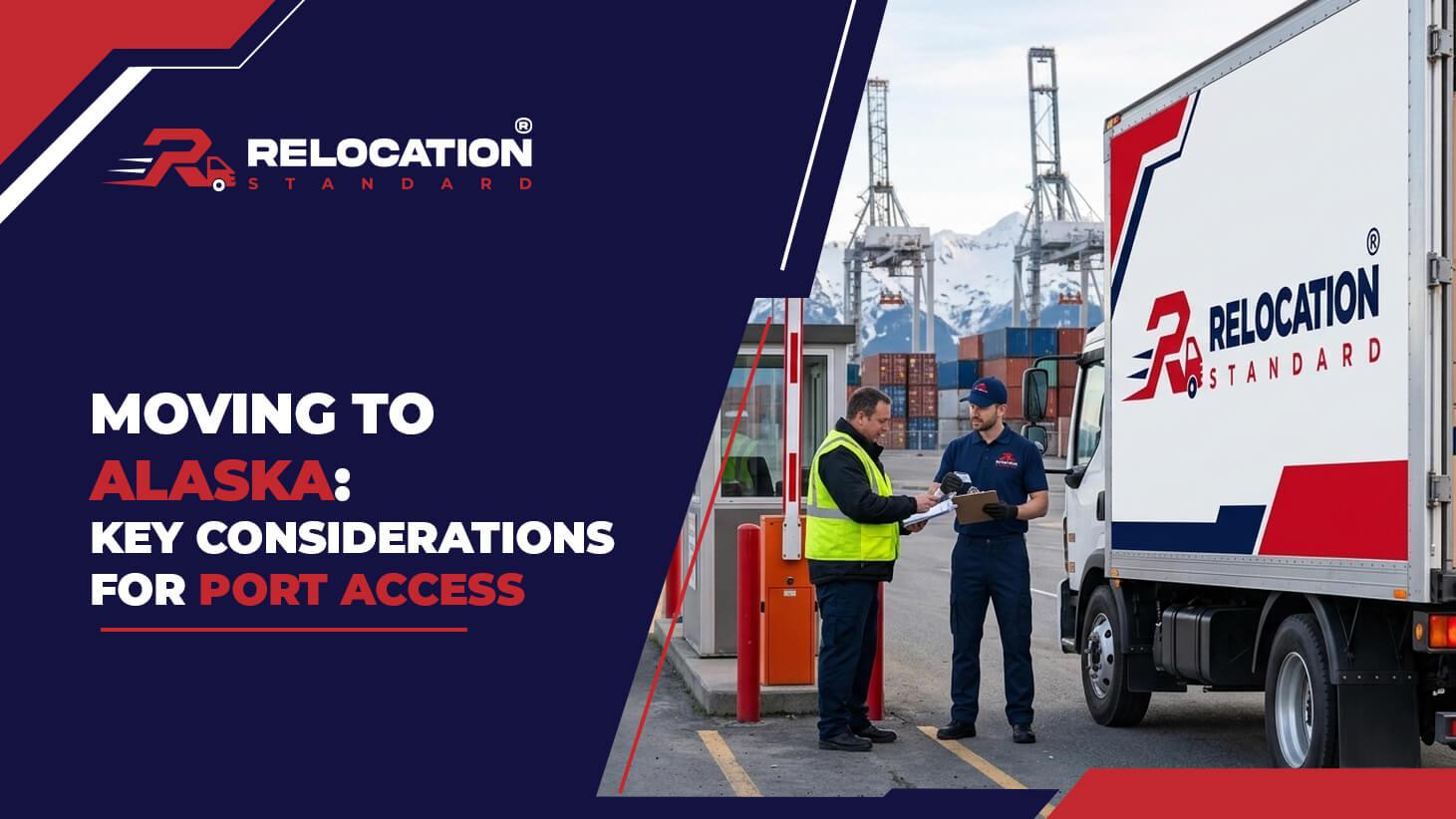
Before traveling to a port, obtain release confirmation, collection instructions and the documents required by the specific operator.
A city can have several facilities run by the same or different companies. Samson Tug & Barge's Seattle receiving instructions distinguish small-freight receiving from facilities used for larger cargo. Sending a shipment to the wrong receiving location can disrupt a booking.
- Exact collection address and the correct customer service contact.
- Booking number, bill of lading number or shipment reference.
- Name of the consignee and acceptable identification.
- Any authorization needed for a third-party collector.
- Cargo availability notice, appointment and payment requirements.
- Vehicle access requirements and available loading equipment.
Do not assume that members of the public may enter operational dock areas. Ask whether collection takes place at a public-facing office or warehouse, or whether an authorized driver is necessary. Follow the terminal's instructions rather than attempting to access a restricted area.
How do vessel arrival and freight release differ?
Vessel arrival is the ship reaching its destination; freight release is the point at which the carrier confirms the specific goods are ready for collection.
Between these events, the carrier may need to unload the vessel, move the container or packages into a collection area, process the documentation and resolve outstanding payment requirements. These steps can take additional time even when the sailing arrives as scheduled.
When planning your Alaska relocation, put separate entries in your calendar for estimated arrival, anticipated cargo availability, confirmed collection and home delivery. Treat the first two as estimates until the operator confirms them.
If you are unable to collect the goods personally, ask whether the carrier accepts a designated representative and what authorization it requires. Never assume an informal message will be sufficient.
How should you prepare your home for the final delivery?
Prepare a clear, legal unloading location and verify that the agreed vehicle can reach it before your goods leave the terminal.
Check driveway width, overhead clearance, slope, parking restrictions, building access and seasonal road conditions. If you rent, confirm elevator reservations or loading rules with your building manager. If the site is unsuitable for a large truck, ask your mover to arrange a smaller vehicle or warehouse transfer in advance.
Keep your inventory and reference numbers handy. On delivery day, compare received items with the shipment list and record any visible damage or missing packages on the applicable delivery paperwork. The FMCSA moving checklist recommends documenting discrepancies before signing delivery documents.
For a move with several transport stages, retain records from each handoff until your shipment and any claims are resolved.
Conclusion
Port access is a practical part of moving to Alaska, not just a detail of the ocean route. Selecting the correct terminal, confirming collection authorization and coordinating the inland delivery can prevent avoidable disruptions and additional charges.
Before booking, establish who is responsible for collecting your goods, returning any equipment and delivering everything to your new address. Compare the complete arrangements when choosing interstate moving services.