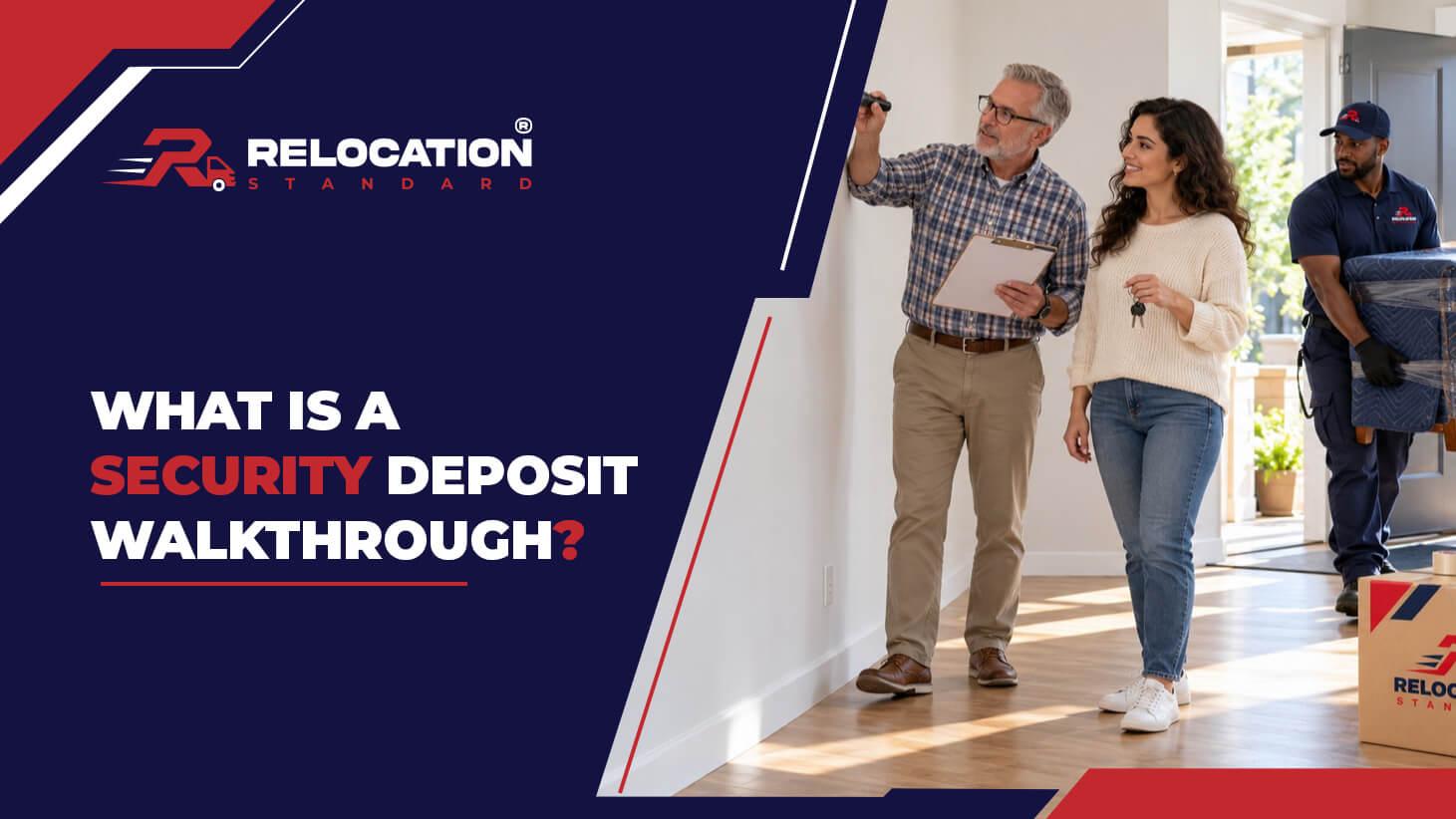
The walkthrough is valuable because deposit disputes often turn on evidence: what damage existed when the tenant moved in, what changed during occupancy, and whether a claimed deduction is for actual damage rather than ordinary wear. It is not automatically a final settlement. A landlord may still discover issues after furniture is removed, and local law may require a separate itemized accounting after the tenancy ends.
When Should You Schedule a Security Deposit Walkthrough?
Ideally, review the lease and local rules several weeks before the move. Ask the landlord in writing whether there is a right to an initial inspection, how to schedule it, and whether the tenant may attend. Keep the response and confirm the appointment date, time, and participants.
Rules differ significantly. The New York Attorney General's tenant guide discusses the right to request a pre-vacate inspection and the required process. New York's rules are not automatically applicable in other states. A tenant should check the law where the rental is located, especially for notice periods and whether an inspection must occur before the final move-out date.
Schedule the inspection early enough to correct legitimate issues when the law or landlord permits it. If all belongings are still in place, some damage may be hidden; consider a second set of photographs after the home is empty. Return keys on time and keep a receipt or written acknowledgment.
What Does a Walkthrough Usually Cover?
The inspection commonly covers walls, paint, flooring, doors, windows, appliances, plumbing fixtures, cabinets, countertops, bathrooms, smoke alarms, and any furniture supplied with the rental. Outdoor areas, parking spaces, and storage lockers may also be included if they are part of the tenancy.
Use the original move-in condition report as the baseline. A scratched countertop documented on day one should not be treated as newly caused damage without further evidence. If the landlord has photographs, ask to compare them with your own records. A good inspection describes issues specifically, such as “two chipped tiles near the kitchen doorway,” rather than using vague labels like “apartment in bad condition.”
The tenant should also document appliance operation, cleanliness, water stains, and missing fixtures. Photograph each room from several angles and take close-ups of disputed items. Time-stamped images and a signed checklist are useful, but they do not guarantee that every disagreement will be resolved.
Normal Wear and Tear vs. Tenant Damage
Normal wear and tear refers to ordinary deterioration from reasonable use over time, while damage generally involves conditions beyond expected use. The legal boundary depends on the jurisdiction, tenancy length, and facts. Faded paint, minor scuffs, or a worn carpet may be ordinary aging; a broken door, large wall hole, or burned countertop may be treated differently.
Landlords generally cannot use a security deposit as an automatic renovation fund, but tenants also should not assume that every problem is normal wear. The reasonableness of a charge can depend on the item's age, prior condition, repair cost, and whether a repair rather than full replacement was appropriate.
For example, a ten-year-old carpet with routine traffic wear should not automatically be valued as a brand-new carpet simply because the tenant is moving out. Conversely, a large pet stain or burn may justify a reasonable claim under applicable law. Keep the discussion tied to photographs, receipts, and local legal standards rather than assumptions.
How to Prepare Before the Inspection
Clean the property to the standard required by the lease and local law, without undertaking unsafe or unauthorized repairs. Remove personal belongings from closets and cabinets, replace missing keys or access devices as agreed, and address small tenant-caused damage where permitted. Do not paint over serious damage or conceal problems; that can create a more expensive dispute later.
Review the move-in report and take new photos before the movers arrive. If a large move will occur after the inspection, protect floors and walls so moving crews do not cause fresh damage. A certificate of insurance for movers may be required by the building, but it does not automatically settle a tenant-landlord deposit claim.
Coordinate your local moving services or long-distance move so there is time for final cleaning and photographs after the truck leaves. A rushed move can lead to overlooked belongings, incomplete cleaning, or disputes about damage from furniture removal.
What Happens During the Walkthrough?
Walk room by room with the landlord or representative, using the same checklist and taking notes. Ask the inspector to distinguish conditions they believe are normal wear from those they consider chargeable damage. If the law provides a chance to remedy issues, request a written list and the deadline for doing so.
Do not feel pressured to agree immediately to an unknown deduction or sign a broad waiver of deposit rights. Acknowledging that an inspection occurred is different from admitting liability for every item. Read the document carefully and ask for a copy. If you disagree with a notation, record your objection in writing.
When the unit is empty, complete a final photo or video record. Capture the condition of appliances, walls, floors, windows, and bathroom fixtures. Photograph the returned keys and obtain a dated receipt if possible. Provide a forwarding address or other lawful method for receiving the deposit accounting.
What Happens to the Deposit After Move-Out?
The landlord may be required to return the balance and provide an itemized statement of lawful deductions within a specified period. The deadline is not uniform nationwide. For example, Massachusetts security-deposit guidance describes a general 30-day return rule, with a different timing issue when a tenant moves before the lease ends. Check the current rule in your state and municipality.
An inspection does not replace the landlord's obligation to follow deposit-accounting law. If deductions appear, compare the statement with your photos, move-in report, repair receipts, and any pre-move-out inspection list. Request supporting documentation when permitted and keep all correspondence.
If the landlord misses a legal deadline or makes unsupported deductions, options may include a written demand, mediation, a local tenant agency, or small claims court. Procedures and potential remedies vary. Do not rely on a generic national checklist for legal deadlines.
Hypothetical Example: Disputed Wall Damage
A tenant has lived in an apartment for three years and paid a $1,500 deposit. During a pre-move-out walkthrough, the landlord points to a large anchor hole behind a television mount and several light scuff marks near the hallway. The tenant agrees to patch the anchor hole but disputes that the scuffs require repainting the entire apartment.
The landlord provides a written list. The tenant patches the hole, cleans the wall, photographs the result, and requests a final review after the furniture is removed. After move-out, the landlord sends an itemized statement with a reasonable charge for a different damaged item. The tenant can compare each deduction against the evidence and local law rather than debating the condition from memory.
The numbers and outcomes are illustrative only. The lawful amount of any deduction depends on the facts, lease, and jurisdiction.
Walkthroughs When You Assign or Break a Lease
An early move can complicate deposit treatment. Under a lease assignment, an incoming tenant may take over possession while the original deposit remains with the landlord. The parties should agree in writing who is responsible for pre-existing damage and how any deposit reimbursement works.
If you terminate a lease early, the landlord may assert unpaid rent or other lawful charges in addition to damage, subject to local rules. Ask for an itemized statement and do not assume that a deposit can automatically be applied to the last month's rent. A corporate relocation policy may reimburse certain lease-break costs, but the employee should confirm eligibility and approval requirements.
Common Walkthrough Mistakes
The most frequent mistakes are skipping move-in documentation, failing to request a pre-move-out inspection where available, taking no final photographs, signing an overly broad admission, and forgetting to give a forwarding address. Another is assuming that a friendly verbal promise means the full deposit will be returned. Written records are more reliable.
Do not discard receipts for professional cleaning or repairs. If you hire cleaners, keep the invoice and document the result. If a landlord requests a charge that seems excessive, ask what work is needed and whether it is a repair or a replacement. The answer may reveal whether the proposed deduction is reasonable.