Understand the city, county, and neighborhood before searching
Miami is one municipality within Miami-Dade County. Miami Beach, Coral Gables, Doral, and many other places commonly called “Miami” have separate municipal governments. Confirm the jurisdiction of every listing before relying on parking rules, local permits, utilities, or building contacts. A mailing address alone does not tell you which city handles a particular issue.
Start with three nonnegotiables: a realistic door-to-door commute, a maximum monthly housing cost including fees, and the building type you can manage. Then test each candidate address at the actual times you expect to travel. Drive or take transit in both directions; a weekend visit does not reveal weekday congestion, school traffic, or a station-to-home walk during summer rain.
Compare neighborhoods by daily needs, not by reputation
Brickell and Downtown: convenience with high-rise logistics
Brickell and Downtown attract residents who want access to offices, restaurants, transit, and dense residential towers. Compare walking routes to Metrorail or Metromover rather than assuming every building is equally convenient. Ask about guest parking, garage charges, delivery access, building move-in deposits, elevator bookings, and association approval times. A lower advertised rent can become less attractive when these extras are included.
Coconut Grove, Coral Way, and Little Havana: different block-level experiences
Coconut Grove offers a leafy, established setting with varied housing and commercial pockets. Coral Way includes a broad range of residential blocks, while Little Havana can offer proximity to central Miami and a distinctive street-level environment. These areas are not interchangeable. Visit specific blocks after dark, inspect sidewalks and drainage, and check the age and condition of the unit rather than extrapolating from a neighborhood label.
Wynwood, Edgewater, and alternatives outside city limits
Wynwood mixes arts, nightlife, redevelopment, and active construction. Edgewater includes waterfront towers and busy corridors where view, noise, parking, and storm exposure vary by building. Families or hybrid workers may also compare Coral Gables, Doral, or farther south, but those are separate jurisdictions. Consider a smaller geographic shortlist instead of touring ten distant neighborhoods in one day.
Build a housing budget that reflects Miami realities
Calculate the recurring total: base rent or mortgage, association or amenity fees, parking, utilities, internet, renters or homeowners insurance, transportation, and any required flood or wind coverage. For condominiums, examine association finances, reserve obligations, special assessments, insurance responsibilities, and the building’s inspection history with qualified professionals. Never assume a seller’s monthly fee will remain unchanged.
Hypothetical renter example: a household sees a $2,500 monthly apartment, then discovers $175 for parking, $65 in recurring building fees, $190 in estimated utilities, and $35 for renters insurance. The practical monthly baseline becomes $2,965 before groceries and commuting. These figures illustrate the calculation only; request written, address-specific quotes. Set aside separate cash for deposits, application charges, moving services, and temporary accommodation.
Buyers should request a detailed estimate of taxes, insurance, financing, and association obligations before comparing properties. Property tax amounts shown for a current owner may reflect exemptions or assessments that do not transfer to a purchaser. Verify parcel details and exemptions with the Miami-Dade Property Appraiser rather than using an old listing screenshot.
Property verification: Miami-Dade Property Appraiser
Read Florida rental rules and the building agreement carefully
Florida residential tenancies are governed principally by Chapter 83, Part II. Read the complete lease for notice periods, repairs, permitted occupants, early termination, and responsibility for appliances. Document the unit’s condition at move-in with dated photographs and a written inventory; send maintenance requests through a traceable channel. A condominium’s association may impose separate procedures, but its paperwork should not replace a review of the lease itself.
Under Florida Statutes section 83.49, the general security-deposit framework includes a 15-day return deadline when no claim is made, or a notice of intended claim within 30 days after the rental agreement ends. The statute includes important details about delivery methods, objections, and exceptions; do not rely on simplified advice from a listing agent. Florida law also addresses certain alternative fee arrangements, which deserve separate review before accepting one.
Official law: Florida Senate, section 83.49 (2025 text)
Test transportation options before signing a lease
Miami-Dade Transit offers Metrorail, Metrobus, and the downtown Metromover, but coverage and frequency vary. Metrorail is most useful when home and work are near its stations; bus connections and last-mile travel can dominate the trip elsewhere. Check the actual route, transfer, station parking, and evening schedule, particularly if your shifts extend beyond standard office hours.
The county’s published transit information lists a $2.25 regular fare for Metrorail and Metrobus and explains transfer rules for eligible payment methods. Because fare proposals and service adjustments can change, confirm the current charge immediately before moving rather than embedding it permanently in your budget. Compare this against fuel, tolls, vehicle insurance, parking, and the time cost of driving.
Official transit references: Metrorail schedules and fares | transfer policies
Try a weekday trial run: leave the potential home at 7:30 a.m., travel to the office, and repeat the reverse journey after work. If the train is efficient but reaching the station requires an unreliable bus, the entire route may not meet your needs. For households with one car, calculate whether two adults can independently complete essential trips.
Check flood, hurricane, and insurance exposure at the exact address
Miami’s coastal location makes hurricane wind, intense rain, and flooding core housing considerations. Flood-zone designations are property-specific, and a location outside a mapped high-risk zone is not a guarantee against flooding. Search the county’s flood map by address, ask about past water intrusion, and obtain insurance estimates before committing. For a ground-floor unit, inspect drainage, entrances, and parking access; for a tower, review backup power, elevators, and storm protocols.
Official risk tools: Miami-Dade flood-zone maps | NOAA hurricane preparedness
Plan for hurricane season before your first storm: keep copies of documents, understand evacuation guidance, identify where you would go, and ask your building how residents receive notices. Check whether a moving date falls during a period of elevated weather risk. Flexible delivery windows and a small emergency kit can prevent a manageable delay from becoming an expensive disruption.
Verify schools and childcare by the actual residential address
Do not choose a school based solely on a real estate advertisement or a neighborhood’s informal reputation. Miami-Dade County Public Schools operates attendance boundaries and school-choice programs, and eligibility may depend on the precise address, grade, and application timing. Contact the district to verify current assignments, enrollment documentation, transportation eligibility, and any specialized program deadlines before signing a lease.
District resource: Miami-Dade County Public Schools
If you have children, compare the morning routine as a household system: school start time, childcare pickup, commute flexibility, and after-school activities. A desirable apartment can be a poor fit if two working adults cannot reliably cover the school day. Families relocating during the academic year should request records and immunization requirements early rather than waiting until arrival.
Plan your move around high-rise and curbside constraints
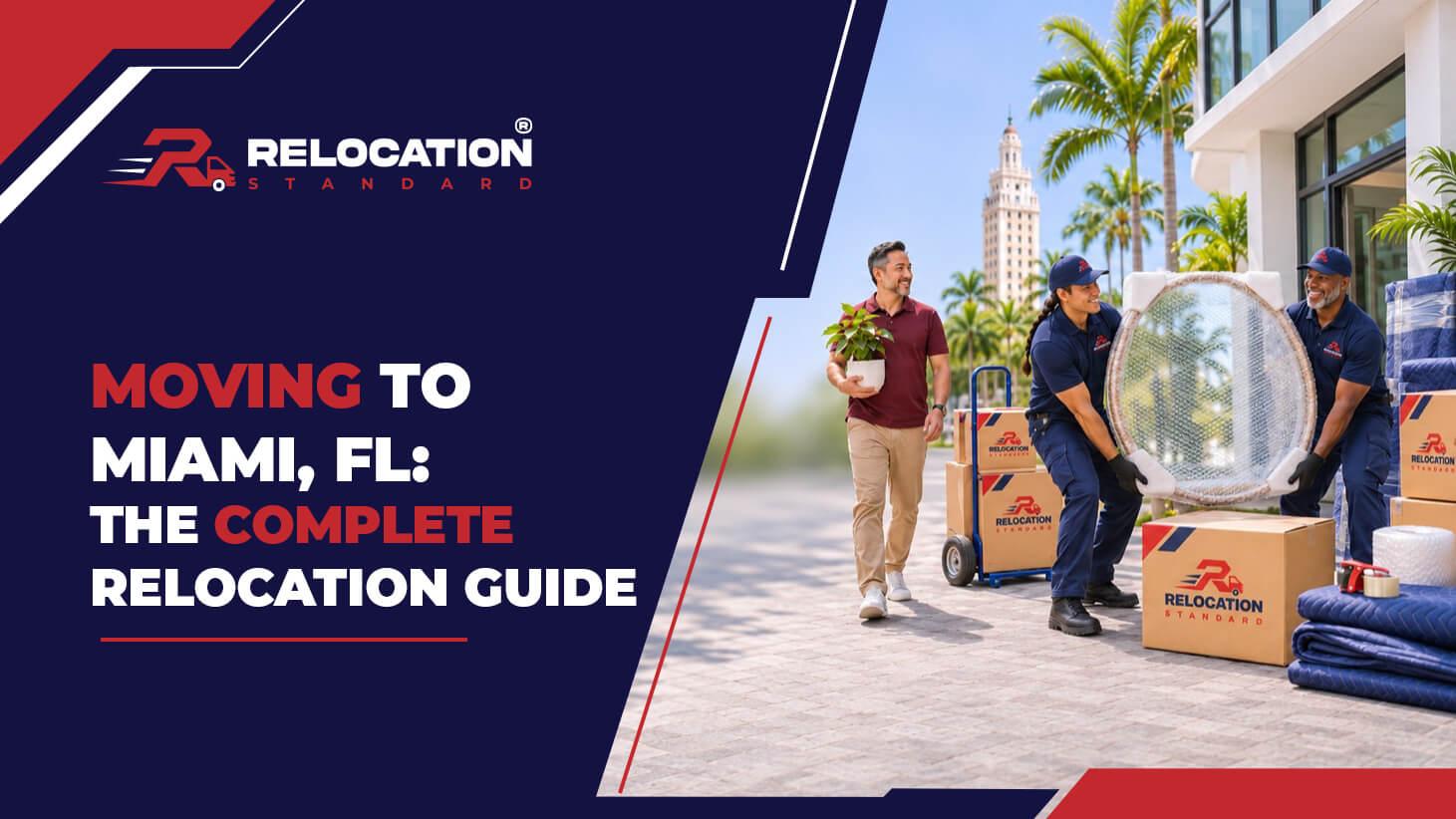
Ask your building manager about certificates of insurance for movers, loading docks, reserved elevator windows, move-in fees, protective padding, and prohibited delivery hours. Some buildings require advance approval from an association or management company. Get those conditions in writing before booking a truck. Street loading or parking rules depend on the precise municipality and block; never assume a truck can stop at the front entrance.
Request at least three itemized moving estimates with the same inventory and service scope. Clarify whether the price covers stairs, long carries, storage, packing materials, bulky items, tolls, and a missed elevator window. For interstate moves, confirm the carrier’s registration and complaint history through federal resources. Keep identification, medication, documents, electronics, and storm essentials with you instead of in the truck.
For a fuller planning framework, see the moving to Atlanta guide when comparing Southeastern metro lifestyles.
A practical eight-week Miami relocation timeline
Eight to six weeks before arrival
Set a maximum all-in housing budget and identify two or three commuting corridors. Collect current lease terms, employer requirements, school documentation, and preliminary insurance estimates. Ask each property for a complete fee schedule. Verify city limits, flood zone, parking availability, and whether the building will accept your planned moving date.
Five to three weeks before arrival
Tour properties at relevant hours, review lease language, confirm school assignments, and compare moving estimates. Reserve elevators and loading access as soon as the building permits. Arrange utilities and internet, request any required association approval, and keep a contingency plan for delayed access or severe weather.
Final two weeks and first month
Confirm truck dimensions and arrival windows, photograph the unit at handover, and document keys, fobs, parking passes, and meter readings. Update mailing addresses and vehicle records as applicable. During the first month, test your commute, learn local emergency alerts, and review insurance deductibles so you know what would happen after a storm.