1. Willamette crossings
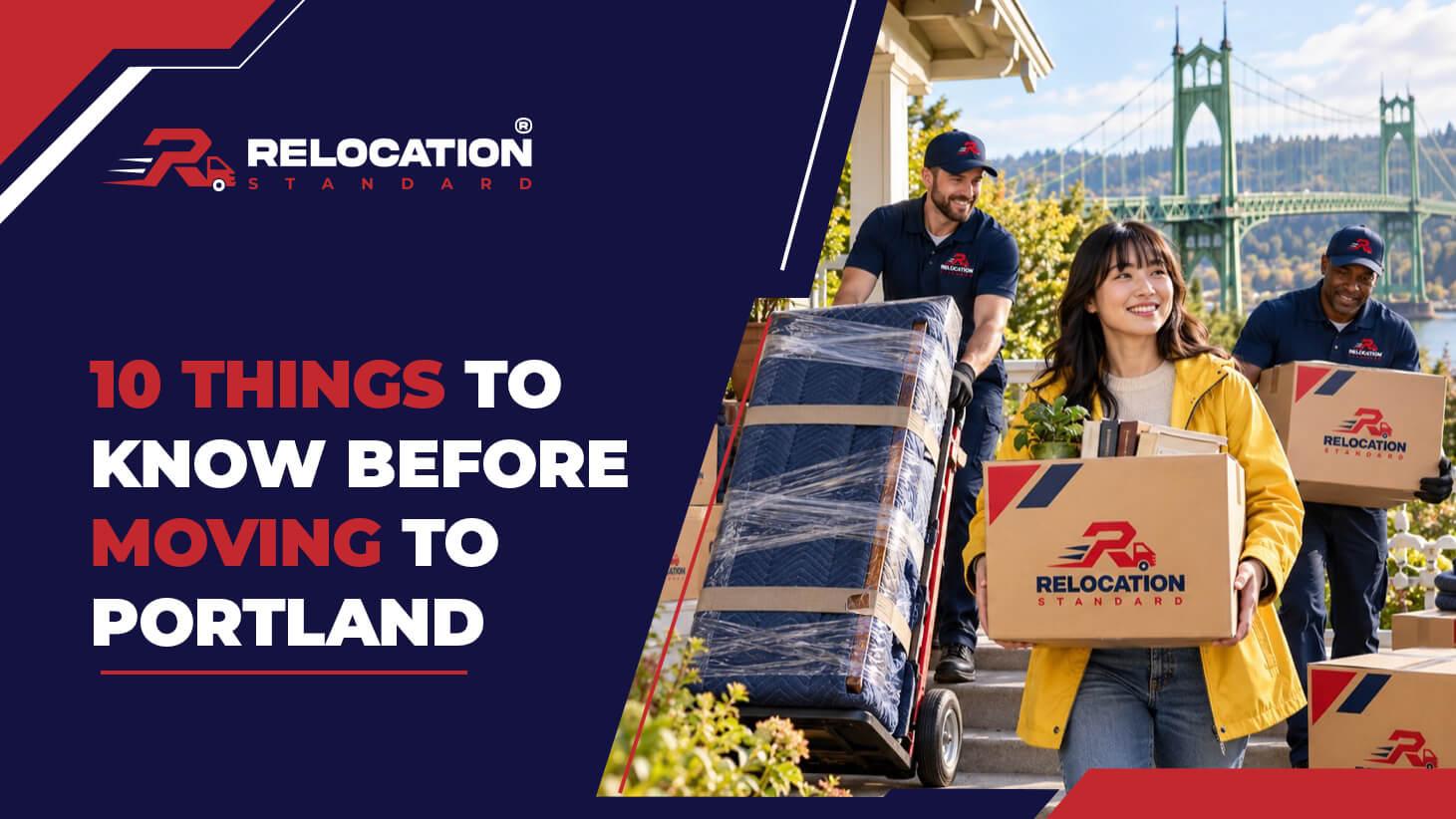
Test each commute from the front door, including the route home and any school stop. If you’re choosing between an east-side home and a west-side worksite, compare crossings at the hours you’ll use them.
2. TriMet route checks
Review MAX and bus routes for your address, including transfers and the last return service. Use current maps because routes and schedules can change. Test the walk at both ends before relying on a station’s distance in a listing. TriMet transit centers.
3. Rain and daylight
Check natural light in the room where you’ll work. Look at how rain drains off the steps and walkway, and ask about condensation or past leaks. Decide where wet shoes or bicycles can go without blocking access.
4. Heating and cooling
Ask which equipment serves each room and who maintains it. Look at summer sun as well as winter conditions and request seasonal utility history. Check ventilation before choosing a bedroom or office.
5. Utilities and parking
Find out whether the lease bills water, sewer, or waste separately. Add parking and transit costs to the regular rent. Confirm internet availability in your actual unit and any building access required for installation.
6. Property hazards
Look up flood information and ask about previous water entry or repairs. Check whether a low garage or storage level has a different exposure from the apartment. Use address-specific insurance quotes when comparing properties. FEMA flood maps.
7. Regional boundaries
Verify which city and school district apply. If you’re comparing a Portland address with one across the Columbia River, test the bridge commute and confirm the different local service arrangements before choosing.
8. Truck curb space
If you need to reserve curb space, check Portland’s temporary street use guidance for your location and date. Coordinate application timing and sign requirements with the building’s loading window. Portland temporary street use permits.
9. Stairs and narrow streets
Send the mover measurements of tight stairs and pictures of the truck approach. Ask whether a long carry or smaller shuttle vehicle is needed. Confirm service elevator dimensions if the building has one.
10. Possession and weather
Check the condition of the entrance before unloading and agree on how to protect items when it rains. Keep keys and first-night supplies with you if the move runs late.
Compare Portland moving options once you know the inventory and unloading route.