1. Use the work building to narrow your search
If you’re moving for Ohio State or a medical center, ask for the building and staff entrance. A property near campus can still leave you with a long final walk or a shuttle trip from your parking lot. If your job is outside the center, test the trip during your usual shift and check whether a school stop changes your preferred route.
2. Test COTA on a weekday and a weekend
COTA operates fixed routes in Columbus and Central Ohio. Use its current information to compare service at the nearest stops, then check the final walk and the last ride home. A direct trip on a weekday can become a transfer or a longer walk on Sunday. If you plan to use a smartcard or mobile payment, check which fare rules apply. COTA rider FAQ.
3. Compare college-area leases by calendar
If a listing is near campus, confirm whether the lease starts and ends on dates that suit your move. Ask when the unit will be ready, whether cleaning or repairs can affect handover, and where you can stay if your old lease ends first. Add any overlap, storage, or temporary accommodation to the initial cash needed for that apartment.
4. Ask who handles the winter work
At a house or duplex, confirm who clears the walk and driveway and where you can park when snow narrows access. At a larger building, find out whether the path from the garage to the entry stays usable in bad weather. For another Midwest comparison, our Indianapolis moving guide covers winter access and how to plan around a specific bus corridor.
5. Price heating and parking alongside rent
Ask whether heating is included or metered separately and request available winter usage history. Check who controls the thermostat, especially in a converted house with several units. Add parking and any required fees to the advertised rent. A cheaper unit with separately billed heat and an extra vehicle can cost more than the place you first thought was out of budget.
6. Verify city services and school assignment
Use the street address to confirm the municipality, school district, and collection provider. A Columbus-area search can include addresses with different local arrangements. If you need a particular public school, ask the district to confirm the assignment and the records required to enroll. Then test the morning school trip from the property.
7. Check the basement and the route out in heavy rain
Ask about past leaks before planning to store boxes or set up a workspace below grade. Look for drainage around the entrance and ask who handles a sump pump or backup system if the property has one. Use the official flood map as a starting point and raise address-specific coverage questions with your insurer. FEMA Flood Map Service Center.
8. Check event traffic before choosing your delivery window
If you’re moving near campus or an arena, compare your proposed delivery with the local event calendar. Ask the building which approach it recommends when nearby streets fill or change direction. Provide the driver with a backup contact and any garage height limit. The truck may need a different entrance from the one you used for the tour.
9. Schedule utilities around possession
Find out which accounts belong to the owner and which you’ll open yourself. Request activation for the possession date and verify whether a technician needs access to a meter or shared room. If you need internet for work, confirm service for the unit and keep a temporary connection ready while you wait for installation.
10. Give the mover the complete loading path
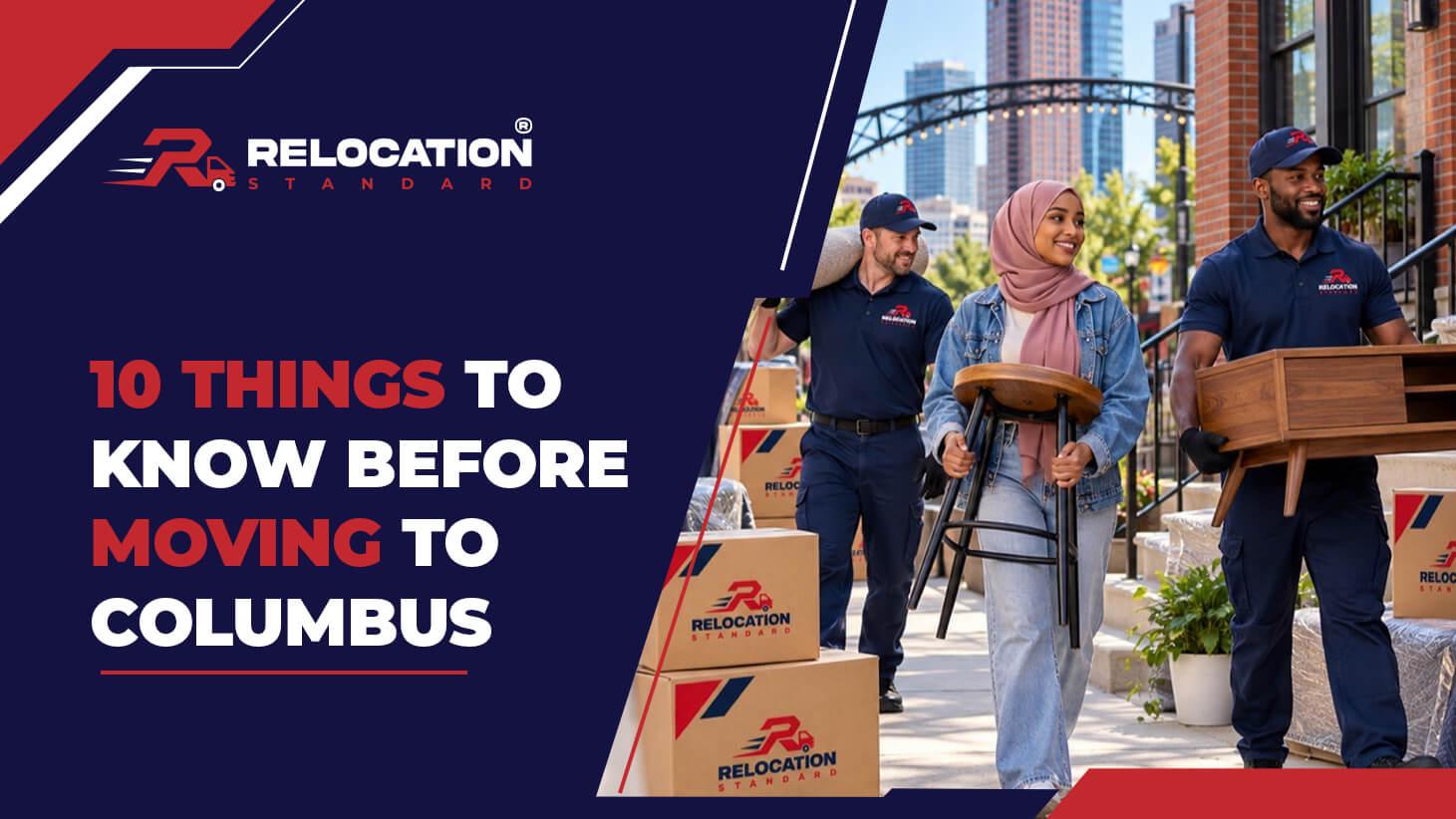
Confirm curb access, elevator booking, and any stairs or sharp turns between the truck and your home. Share photographs and tell the company whether you need help dismantling furniture. When comparing Columbus moving options, ask how each estimate handles a long carry, waiting time, and a change in handover.